
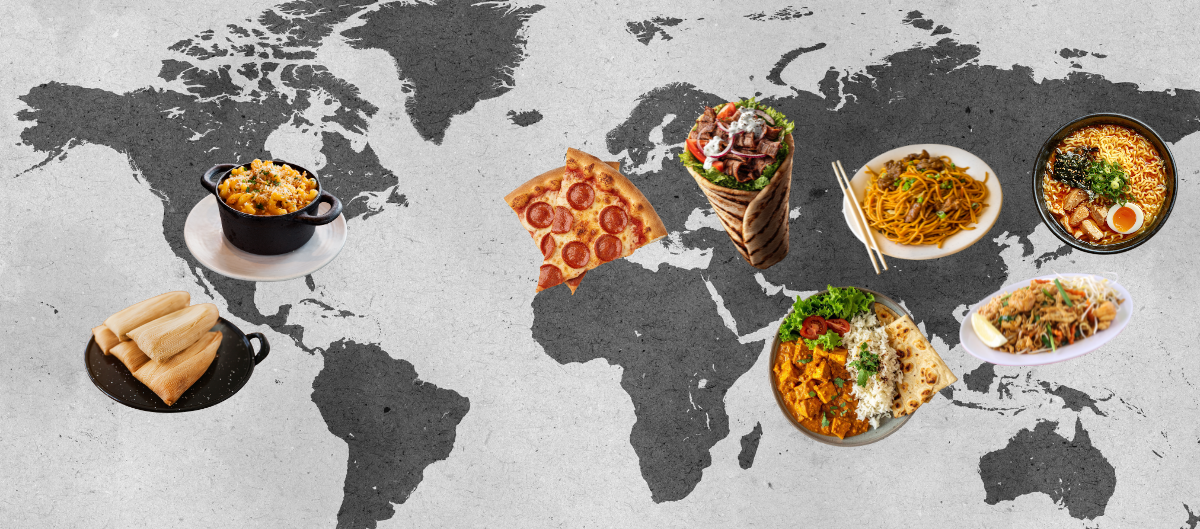
Nothing brings people together like food.
Culinary traditions are a source of cultural pride in every corner of the globe—shared at family gatherings, written into guidebooks, and passed down through generations long before they ever made it onto a menu. Just like every culture has foods tied to rites of passage like weddings, birthdays, bar mitzvahs, and christenings, every culture has comfort food.
Food that shows up. Food that doesn’t need to be explained. Food that feels like home—even when you’re far from it.
Not surprisingly, many of these comfort foods have made their way into restaurants across the U.S. Some came with rich origin stories and layered symbolism. Others began as peasant food—simple, affordable, deeply practical. Some were even commissioned by prime ministers as part of national rebrands.
And because so many of the restaurant owners we work with serve cuisine rooted in other parts of the world, we thought we’d take you, dear reader, on a journey.
Pack your appetite. Bring your curiosity. Heck, invite your friends and family. You could even make an event out of it. Either way, happy eating.
Here’s around the world in eight comfort foods.
1. Italy: Pizza
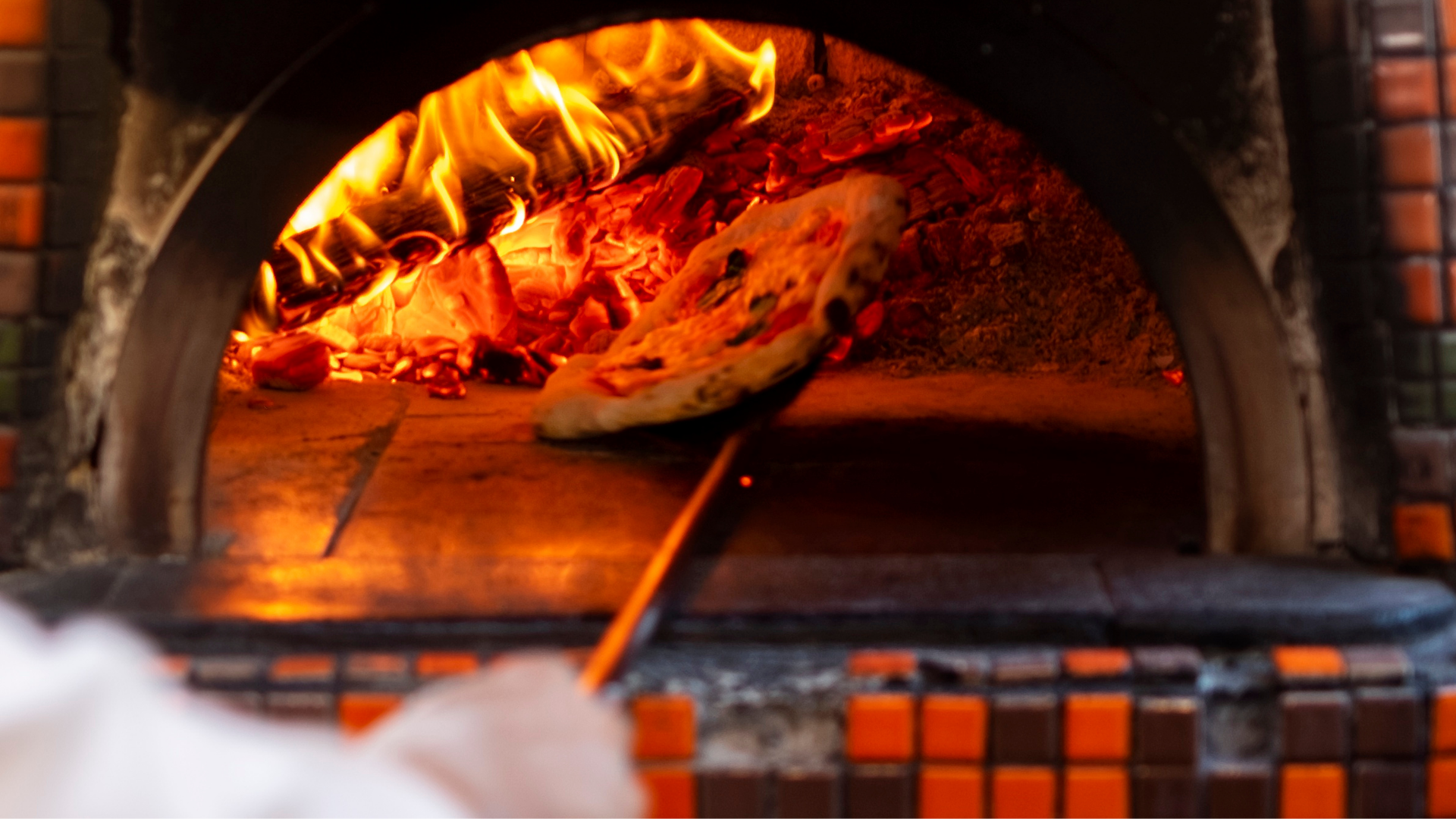
Pizza has a legend.
In the late 1800s, as the story goes, a Neapolitan pizzaiolo was asked to prepare a special dish for Queen Margherita of Savoy during her visit to Naples. He topped flatbread with tomatoes, mozzarella, and basil—the colors of the newly unified Italian flag. The queen approved. The pizza was named after her.
Whether that moment happened exactly as recorded or was embellished later is still debated. What matters is why the story stuck.
But really, pizza didn’t need royal approval to survive. Pizza already existed as street food.
In Naples, it was flatbread slapped with tomatoes, oil, maybe cheese if you were lucky. Something you ate standing up. Something you ate hot, fast, and without ceremony. Food for people who needed to eat and didn’t have the time, money, or interest in pretending otherwise.
That’s the part that endured.
Pizza survived because it was useful. You could feed a lot of people with it. You could feed tired people. Broke people. Drunk people. Families. Construction workers. Kids who didn’t want to eat anything else, and adults who didn’t want to have that argument yet again.
Every town has a pizza place. Sometimes three. Sometimes ten. Sometimes one that everyone argues about. The good one. The old one. The one that stays open the latest. The one you order from when you don’t want to gamble.
Because pizza isn’t about discovery. It’s about reassurance.
You order it when you don’t want surprises. When you want to know exactly how the night is going to go. When you want the same thing you had last time—because last time was good, and good is good enough.
That’s also why pizza became one of the first foods people trusted online.
Click. Order. Repeat.
No explanation needed. No second-guessing. No fear that it won’t travel well or won’t hold up or won’t feel right by the time it gets to you. Pizza survives the trip. Pizza always survives the trip.
It’s forgiving. Even when it’s bad, it’s rarely that bad. Cold pizza still works. Reheated pizza still works. Leftover pizza is practically a different dish—and sometimes a better one.
This is romance and reliability.
And that’s the real legacy of pizza.
2. India: Saag Paneer and Naan
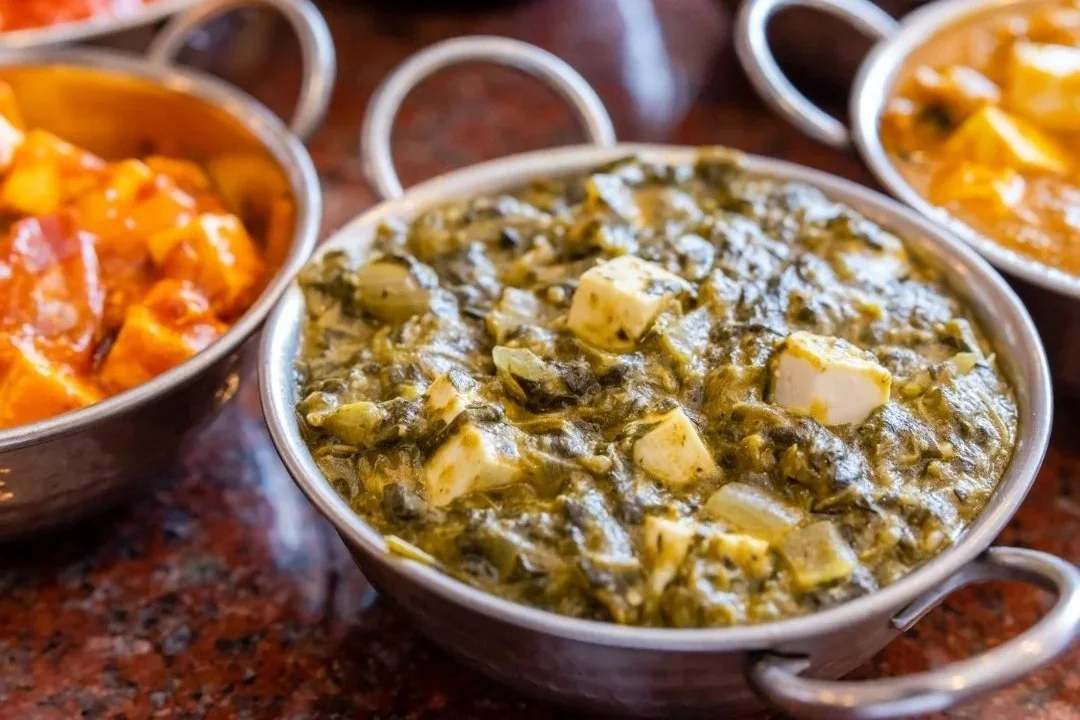
Saag paneer doesn’t pretend to be delicate.
It’s a green that isn’t a garnish or a side. It’s the meal.
Saag comes from a way of cooking greens down until they surrender completely. Mustard greens, spinach, fenugreek—whatever was available, whatever needed to be used before it went bad. Cooked slowly. Spiced patiently. Enriched with fat. Reduced until what’s left is dense, dark, and filling.
This wasn’t light food. It wasn’t meant to be.
Saag was built to last through the day. To sit heavy in the stomach. To keep people full when meals were simple and work was not. It’s the kind of dish that looks modest and eats serious.
Fresh cheese, mild and sturdy, added when milk was available. Cut into cubes that hold their shape, absorb heat, and slow you down.
Together, saag and paneer turn vegetables into something grounding. Not aspirational. Just solid.
The naan pairing matters here.
Because naan isn’t everyday bread.
Unlike roti, which is rolled and cooked quickly on a griddle, naan has a more specific history. It’s leavened. It’s enriched. Traditionally baked in a tandoor—an oven that requires fuel, heat, and time. For centuries, naan was associated with royal kitchens and special meals, not daily subsistence.
That’s why naan feels different.
Saag paneer and naan together are not a light order. They’re a settling order. Exactly what’s in order when comfort food is in order.
3. Thailand: Pad Thai
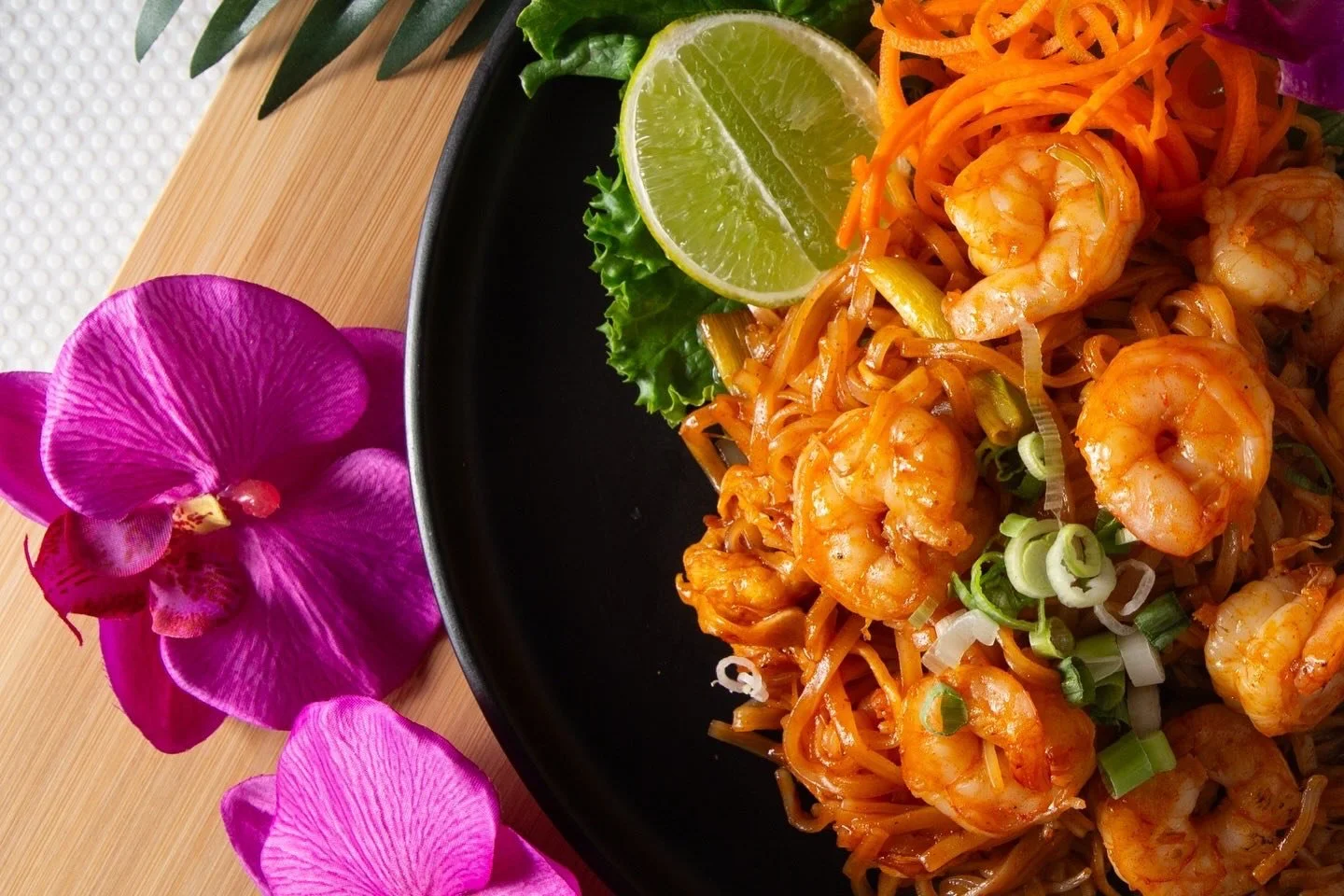
Pad Thai didn’t happen by accident.
It was the brainchild of Thailand’s prime minister, who decided the country needed a national dish—something practical, affordable, and unmistakably Thai. Rice was scarce during World War II, but wheat and rice noodles were easier to come by. So the government stepped in, developed a recipe, and distributed it directly to street vendors. Carts were handed out. Instructions were shared. A cultural phenomenon ensued.
Pad Thai was designed for Thai people.
It was meant to feed workers grabbing a quick meal, families stretching ingredients, vendors cooking fast over high heat for long lines of hungry customers. Rice noodles tossed with tamarind for tang, fish sauce for depth, peanuts for texture, lime for lift. Balanced. Familiar. Filling. Nothing fancy. Nothing wasted.
And people ate it.
Not because it was trendy or symbolic, but because it worked. It was hot. Cheap. Satisfying. Easy to cook. Easy to sell. Easy to recognize. Pad Thai fit the rhythm of everyday life, and that’s why it stuck.
It’s stick-to-the-ribs noodles and it shows up the same way every time. Sweet, salty, tangy.
Everything doing its job.
That’s why it feels so familiar now.
In the U.S., pad Thai became the dish people order when they want Thai food. The one they recommend to friends who’ve “never had Thai.” The one that shows up on almost every menu, written the same way, plated roughly the same way, tasting just close enough every time.
Pad Thai is food that keeps moving. Food that fits in a box.
It’s the dish you order when you want your carbs done right. Movie night. After a long day. Date night. Self-care Sunday.
Pad Thai shows up.
Which is exactly what it was meant to do.
4. Japan: Ramen
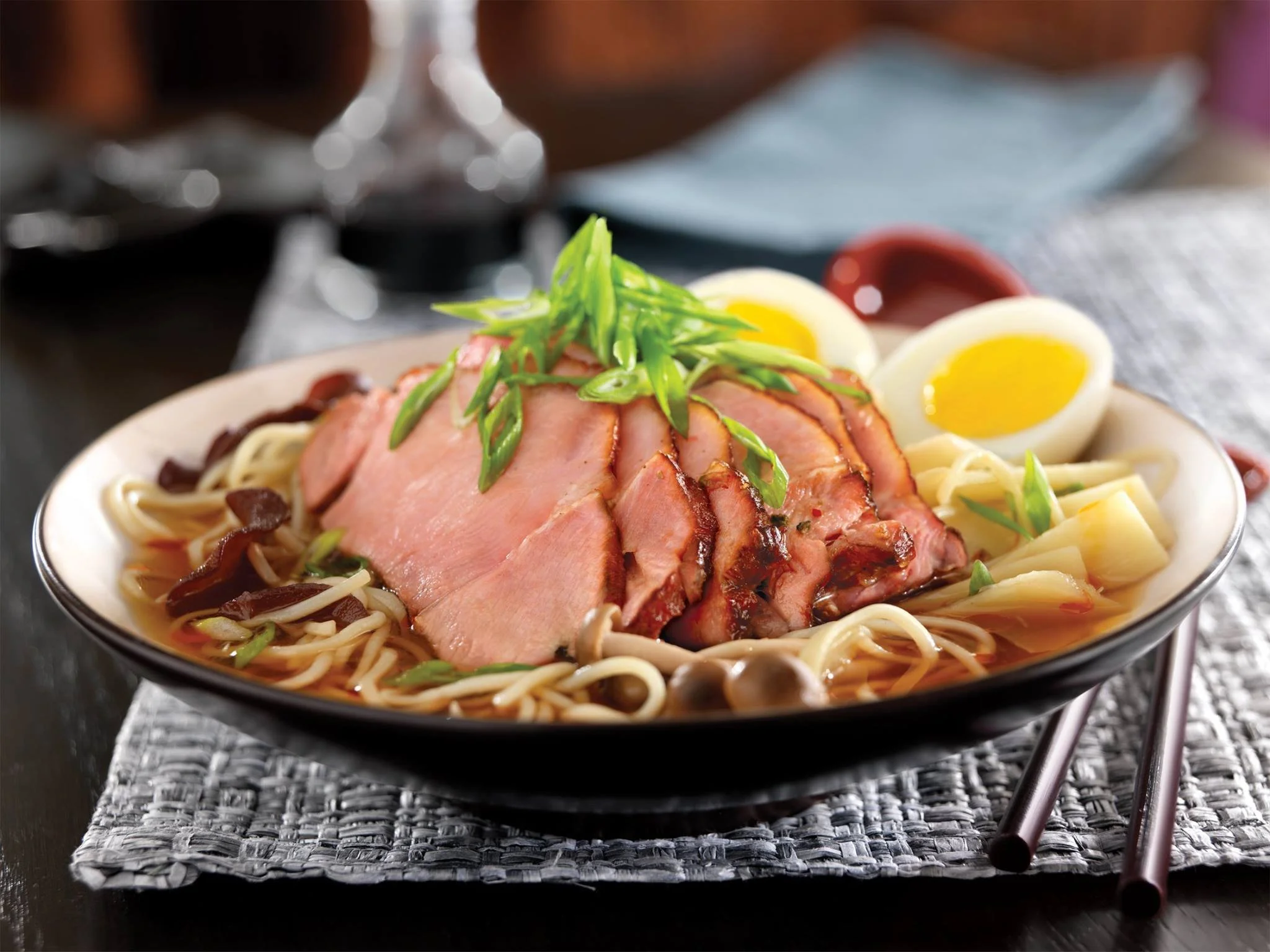
Ramen exists because people were hungry.
Not metaphorically. Literally.
Ramen began in Japan in the early 20th century, brought by Chinese immigrants who were cooking wheat noodles in hot broth for dockworkers and laborers in port cities like Yokohama. At the time, it wasn’t even considered Japanese food. It was called shina soba—Chinese noodles.
What made it stick wasn’t romance or tradition. It was utility.
Japan was industrializing. Cities were swelling. Workers needed food that was hot, fast, cheap, and filling. Noodles in broth solved the problem. You could make them quickly. You could feed a lot of people. You could do it in a small space with minimal ceremony.
Then World War II happened.
Japan faced severe food shortages. Rice was scarce. The U.S. sent wheat. Wheat became noodles. Noodles became ramen. What started as immigrant food turned into infrastructure.
Ramen rose in popularity because it worked.
And by the time instant ramen appeared in 1958, the role was locked in. Ramen wasn’t a treat or a celebration dish. It was nourishment. A way to keep people fed. A way to stretch ingredients. A way to get through long days and longer nights.
That’s why ramen feels the way it does.
You eat it with relish, often alone. At counters. Late. Sometimes slurping. Steam rising, head down, bowl gone before you realize you’re done.
The comfort comes from knowing exactly what it’s there to do.
And that’s why it became comfort food, not just in Japan, but everywhere it landed. Because when people are tired, stretched thin, or running on fumes, they don’t need spectacle.
They need something hot, reliable, and ready.
Ramen was built for that.
5. Mexico: Tamales
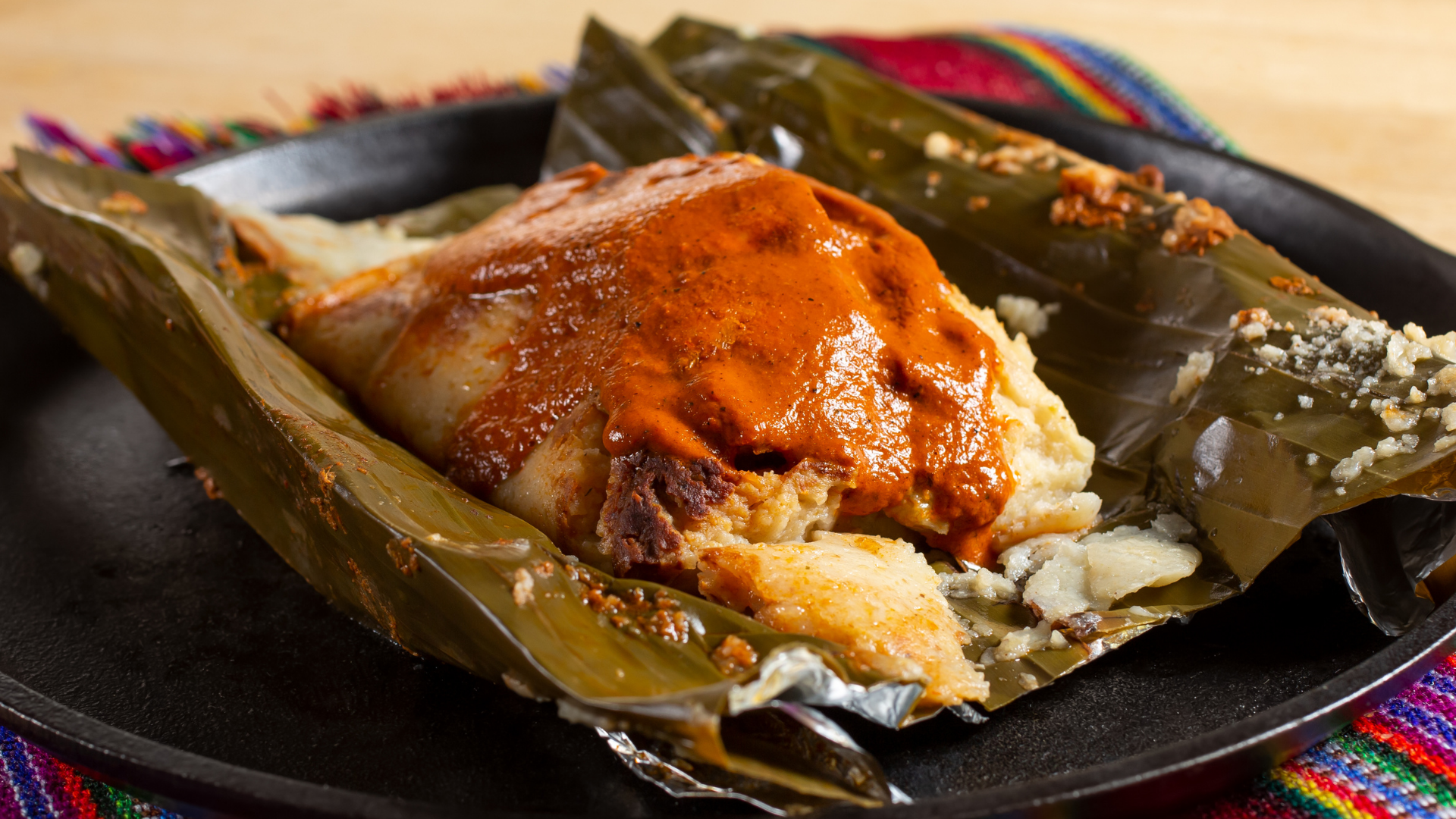
Tamales predate almost everything else on this list.
Long before Mexico was Mexico, tamales were already being made by Mesoamerican cultures as early as 5000 BCE. Corn masa wrapped around fillings, steamed in corn husks or banana leaves—portable, durable, and built for movement. Soldiers carried them. Travelers relied on them. Entire communities were fed by them.
Tamales were never restaurant food. They were survival food.
Corn was sacred. Masa was sustenance. Wrapping food inside food made sense in a world without refrigeration and aluminum foil. Tamales could be carried, reheated, shared, and stretched. One batch could feed many. Nothing was wasted.
That practicality never went away.
Over centuries, tamales became tied to gathering. Not because they were ceremonial, but because they required hands. You soak. You spread. You fill. You wrap. You steam. You talk. You wait.
In the U.S., tamales became comfort food the same way pizza did—not through reinvention, but repetition. The tamale lady in the parking lot. The neighbor who sells dozens around the holidays. The freezer stash wrapped in foil and memory.
You unwrap them slowly. You eat them warm. You almost always want another.
Tamales endure because they were built to. When a food is nostalgic dating back that far, it feels like it’s part of our collective DNA. And that’s comfort food at its best.
6. Greece: Gyros
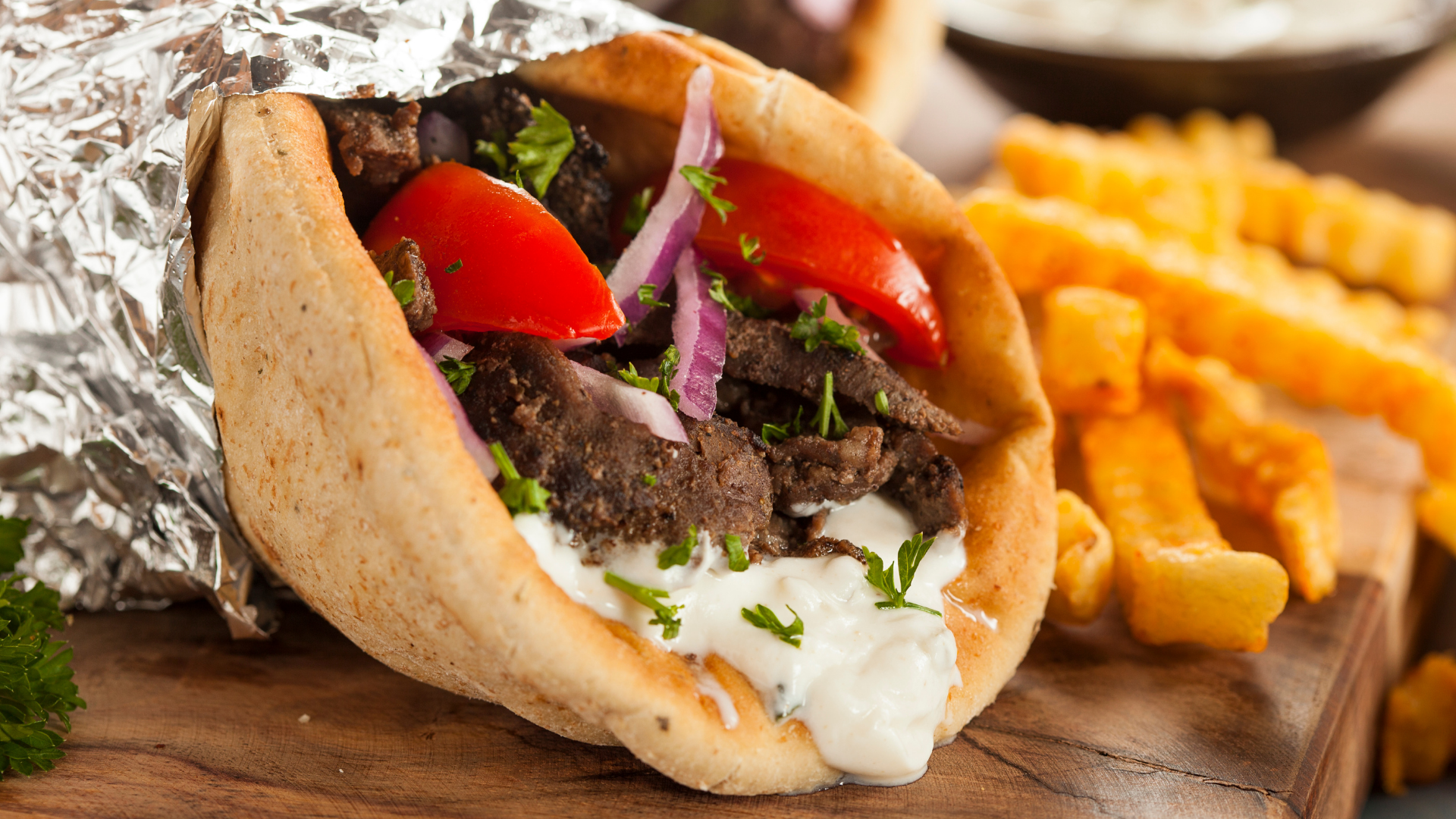
Gyros exist because meat needed somewhere to go.
The method came first: vertically stacked meat cooked slowly on a rotating spit. This technique arrived in Greece in the early 20th century, brought by Greek immigrants returning from Asia Minor after the Greco‑Turkish War. It was adapted from Ottoman döner kebab what was the same idea, but with new ingredients, local flavor.
Pork replaced lamb in many regions. Pita replaced plates. Tzatziki cooled everything down.
The gyro was never meant to be delicate. It was street food—meat shaved hot, stuffed fast, eaten with hands. Food for people moving through cities, working long days, needing something filling and immediate.
That’s why gyros stuck.
In the U.S., they became comfort food because they hit a perfect middle ground: familiar enough to trust, flavorful enough to feel special. Bread, meat, sauce. Salt, fat, acid. Everything accounted for.
You order a gyro when you want to be fed. When you want something warm, heavy, and reliable. When you want dinner to arrive already assembled.
Gyros don’t ask questions. They hand you the answer in foil.
7. China: Lo Mein
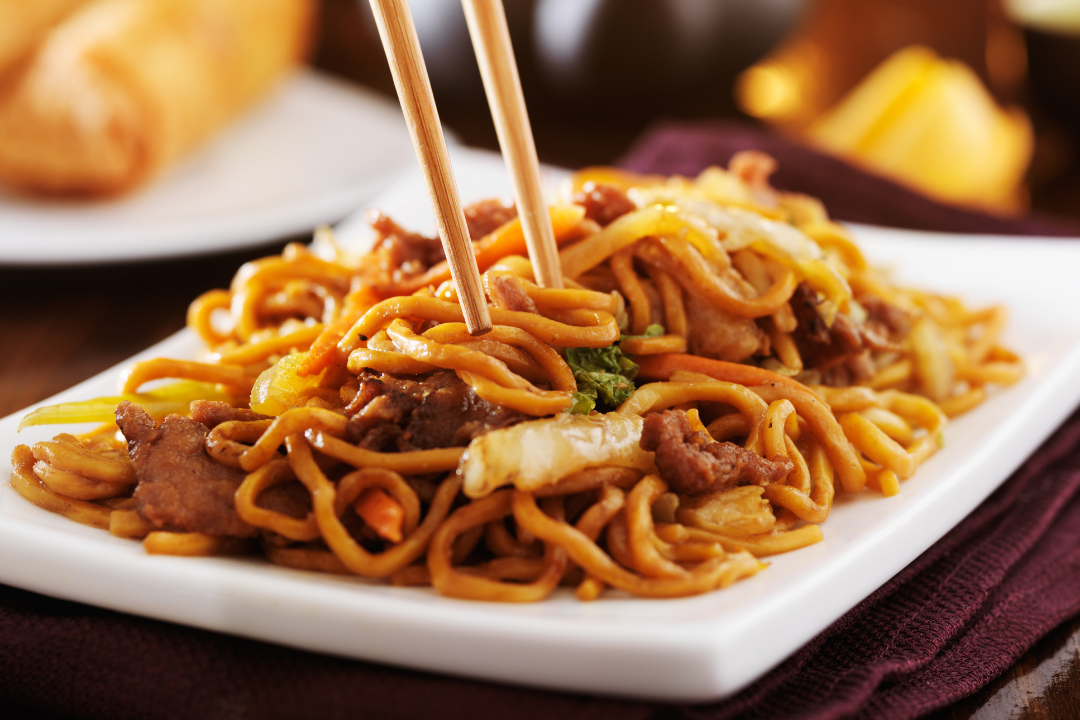
Lo mein exists because noodles needed to stretch.
The dish comes from northern China, where wheat—not rice—was the staple grain. Long noodles were boiled, then tossed with oil or sauce to keep them from sticking. That’s what lo mein means: stirred noodles. Not fried. Not crisped. Just mixed, coated, and served.
This was not banquet food. It was daily food.
Lo mein was a way to turn a small amount of meat and vegetables into a filling meal. The noodles did the heavy lifting. The sauce tied everything together. Nothing wasted. Nothing complicated.
When Chinese immigrants brought the dish to the U.S., lo mein adapted easily to restaurant life. It was fast to make. It held heat. It traveled well. It satisfied people who wanted noodles but didn’t want soup.
That’s why lo mein became a default order.
You get it when you don’t want to think. When you want something savory, filling, and familiar. When you want leftovers that will still make sense tomorrow.
Lo mein is likely going to be the same wherever you order. Dependable and delicious comfort food that looks and tastes as good on a plate as it does in one of those Chinese take out paper pails.
8. United States: Macaroni and Cheese
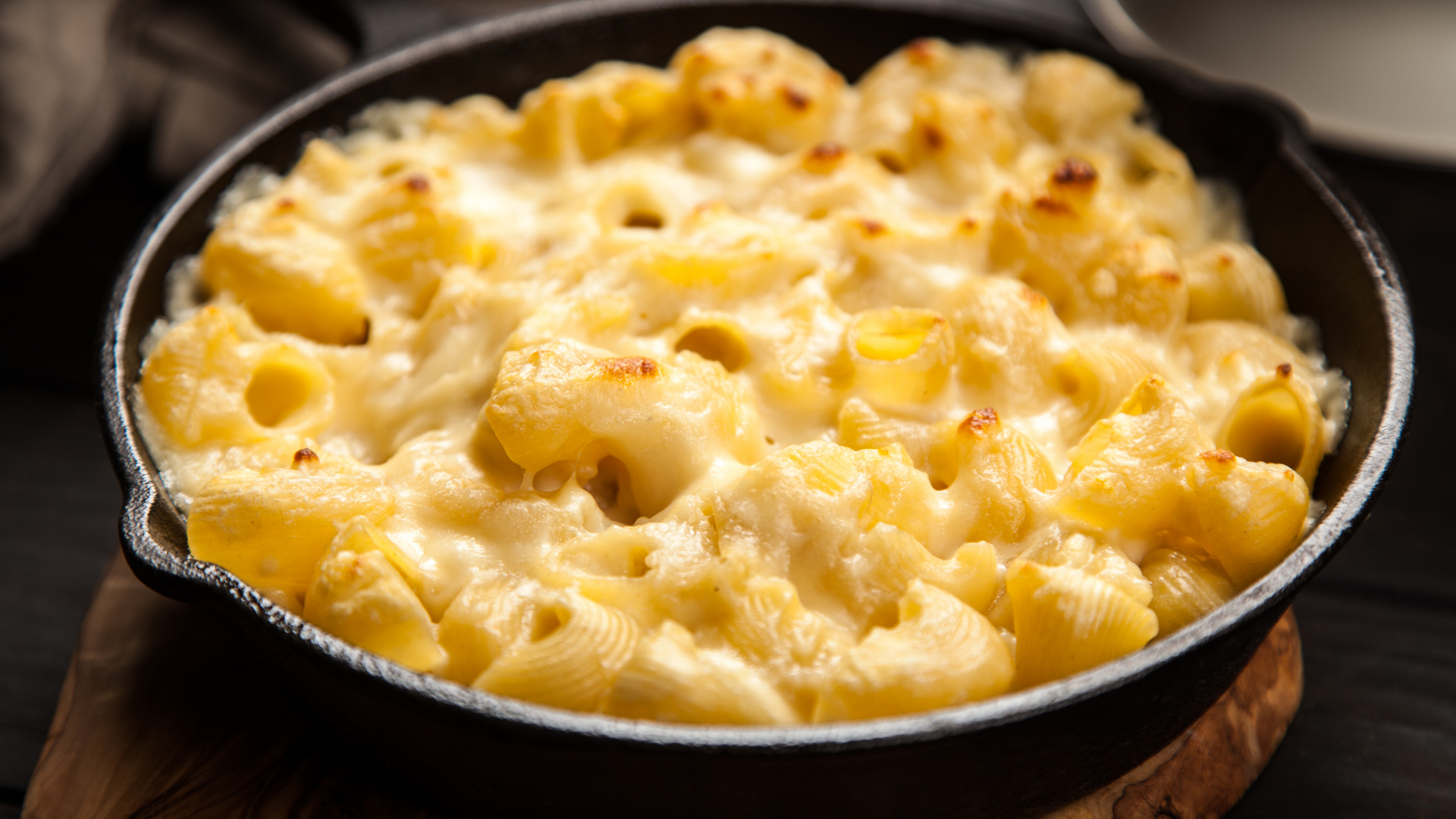
Mac and cheese became comfort food in Southern kitchens, cooked by Black hands, refined over time, and judged without mercy at family tables.
The pasta-and-cheese dishes Thomas Jefferson served were European imports—soft, sauced, and polite. They belonged to formal meals and formal company. The version that endured was something else entirely.
Baked. Structured. Rich enough to feed a room.
Black cooks in the American South transformed macaroni and cheese into communal food. Eggs were added for body. Cheese was layered generously. Texture mattered. Patience mattered. This wasn’t about refinement—it was about nourishment and expectation.
By the early 20th century, baked mac and cheese had become a fixture at Black family gatherings, church dinners, and Thanksgiving tables. Not a side dish you experimented with. A standard people noticed. A dish people remembered.
Industrialization later made pasta cheaper and boxed versions faster, but the soul of the dish had already been set.
This is food built for repetition.
Soft pasta. Melted cheese. No resistance. No surprises. It feeds kids. It feeds adults who don’t want to decide. It feeds groups cheaply and without complaint.
In restaurants, it’s the safety net. The dish you order when everything else feels like effort. When you want dinner to behave.
Mac and cheese doesn’t need to be fancy. It works its magic without fanfare. It reassures.
And that’s why it belongs here.
If you’re curious how this tradition shows up today, NPR recently revisited the Thanksgiving table through Chef Tini’s viral baked mac and cheese—a recipe that took off for one simple reason: she insists on shredding the cheese yourself for better melt and texture. You can read the piece and recipe here.
For deeper context, it’s worth revisiting the cooks who shaped this tradition long before TikTok. Patti LaBelle’s macaroni and cheese, shared for decades and still fiercely defended, remains one of the most cited references for what “real” baked mac and cheese is supposed to be—custardy, structured, and unapologetically rich. Her original recipe is here.
The Last Bite
In the end, comfort food isn’t just about what’s on the plate. It’s about the stories that come with it—the hands that made it memorable and the traditions that keep it close. At Menufy, we understand that each comfort dish you serve carries that legacy. We’re here to help you share those flavors with guests who crave that familiar warmth.
For restaurants built to feed people when they don’t want to think, when they’re tired, stretched thin, or running on fumes, Menufy helps you stay easy to find, easy to order from, and ready—without asking you to do more. With a team of restaurant and marketing pros, Menufy helps turn one-time guests into lifetime fans and make repeat business intentional.
Talk to us about how Menufy can help your restaurant.