

The search results your guests see today look nothing like what they saw two years ago. AI-generated answers appear before the map. Third-party apps are competing for your Google listing. And the restaurants showing up at the top aren't always the best ones in the neighborhood — they're the ones who've kept up with what Google actually rewards.
You don't need to become an SEO expert to win local search. But you do need to know what's working against you, what still matters, and what's worth your time. This is that breakdown.
The landscape shifted. Here's what that means for you.
When your guests search "best pizza near me" or "Thai food delivery [your city]," they used to see a map with three results and a list below it. That's still largely true — but a few things have changed that matter for independent restaurants.
AI-generated answers now appear above the map on many searches.
Google is summarizing options and recommendations before guests even see your listing. Those answers pull from your Google Business Profile, your reviews, and your website. You don't control what Google says about you there, but you can influence the information it pulls from.
Third-party delivery platforms are fighting for your real estate. On some searches, DoorDash or Uber Eats results appear where your restaurant should. Guests looking specifically for you can end up clicking through a platform that charges you a commission for the order. This isn't a hypothetical — it happens regularly and most owners don't know it's occurring.
Search has more surfaces than it used to. Guests ask friends. They ask Google. Some are starting to ask AI chatbots where to eat tonight. Each of those surfaces pulls from the same foundational signals: your Google listing, your reviews, your website. Get those right, and you show up well almost everywhere. Neglect them, and you lose ground on all of them at once.
The good news: the fundamentals haven't changed. The restaurants winning local search are doing the same core things they always did — just more consistently, and with fewer gaps.
What you need to get right (and what can go wrong)
1. Is your Google listing actually yours?
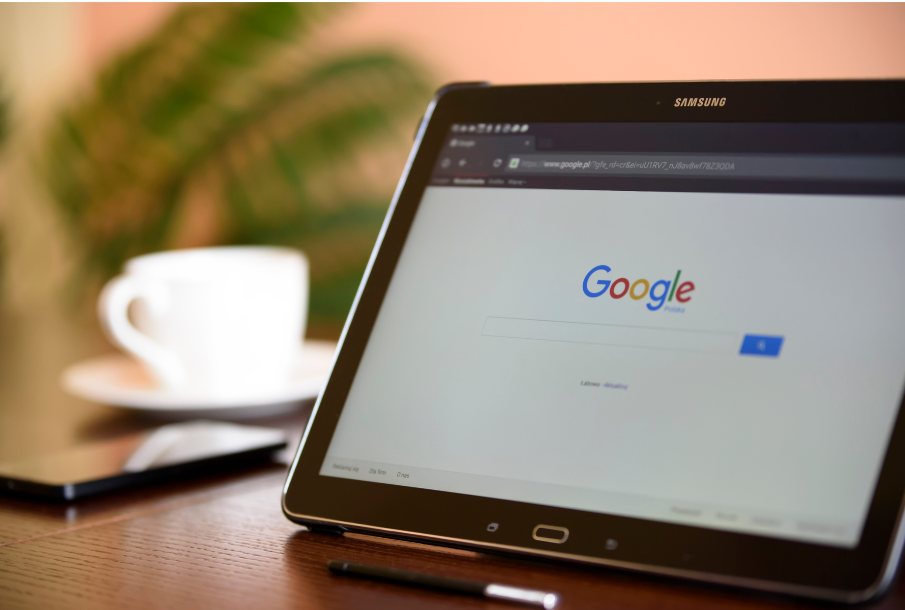
Your Google Business Profile is the most valuable piece of digital real estate your restaurant has. It's what guests see when they search your name. It's what populates your hours, your photos, your reviews, and the button they tap to order or call.
Here's something most restaurant owners don't know: third-party delivery apps have been known to claim or edit restaurant Google Business Profiles. When that happens, the ordering button on your listing routes guests through their platform instead of yours — and you pay a commission on every one of those orders. The guest searched for you by name and still ended up on DoorDash.
Checking your GBP ownership takes five minutes. Go to Google Business Profile Manager, confirm your listing is verified, and check that the ordering link goes where you expect it to. Do this at least once a quarter.
What Menufy handles: Menufy includes active monitoring of your Google Business Profile and connection to direct ordering. If something changes on your listing that shouldn't, your Success Team catches it.
2. Does Google know what you serve — and where?
Google needs to read your restaurant's information to rank you for the right searches. That sounds obvious, but there are two common gaps that quietly hurt independent restaurants.
Your menu might only exist inside a third-party app. If your full menu lives on DoorDash or Uber Eats but not on your own website, Google can't read it. A guest searching "shrimp pad thai delivery [your city]" won't find you through organic search — even if you make the best shrimp pad thai in town.
Your location signals might be inconsistent. Your name, address, and phone number need to match exactly across your website, your Google listing, Yelp, Apple Maps, Facebook, and anywhere else you appear online. Even small differences — "St." versus "Street," a missing suite number — can confuse Google and suppress your ranking.
Beyond that, your website needs your city and neighborhood mentioned naturally in page titles and descriptions, your menu described in full text, and a fast mobile experience. These aren't technical luxuries. They're the basics Google uses to decide whether you're a relevant result.
What Menufy handles: Menufy builds and hosts your restaurant's website with your full menu in crawlable text, your location signals properly structured, and mobile performance built in from day one. Your menu lives on your site, not just inside a platform Google can't read.
3. Do you have enough reviews — and are they recent?
Reviews are the ranking factor most restaurant owners underestimate. Not just the star rating — though that matters — but the volume, the recency, and whether you respond.
A few numbers worth knowing:
A one-star increase in your rating is associated with a 5 to 9% increase in revenue, per a Harvard Business School study.
Restaurants rated 4.4 stars or higher see weekly sales roughly 90% higher than those rated 3 stars or below, according to BlackBox Intelligence.
88% of guests say they're more likely to choose a business that responds to all its reviews, per BrightLocal.
Recency matters more than most people realize. A restaurant with 300 reviews but the last one posted eight months ago often ranks below a restaurant with 80 reviews that's getting fresh ones every week. Google weights active businesses. If your reviews have gone quiet, your ranking has likely dipped with them.
Responding to reviews also functions as a ranking signal now, not just a trust signal. A profile that engages — thanking guests, addressing complaints professionally — signals to Google that this is an active, attentive business.
The most effective time to ask for a review is right after a great experience, while the food is still fresh in their memory. Most owners know this. Most owners don't have a system to do it consistently.
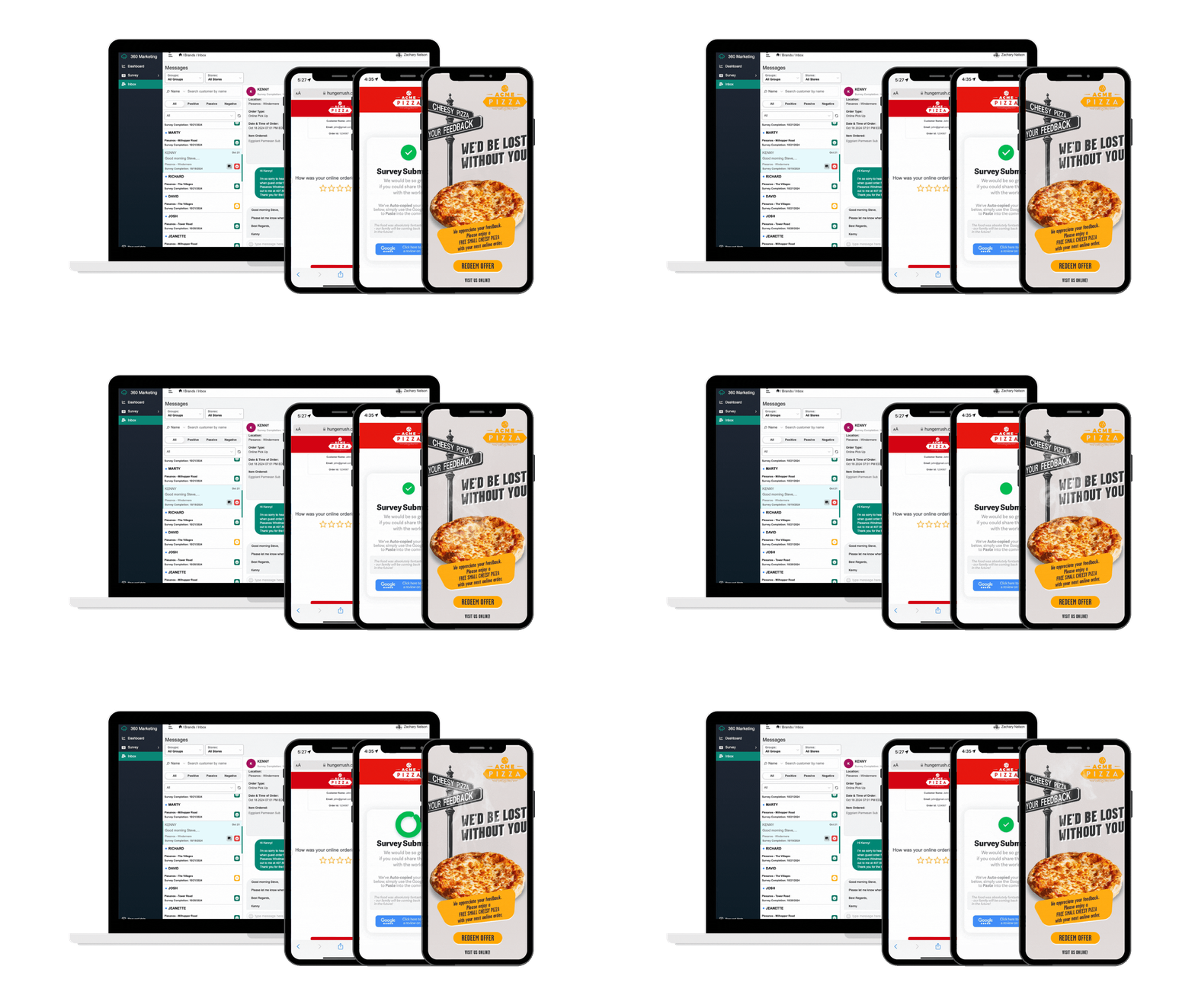
What Menufy handles: Menufy's Feedback tool sends an automated survey 90 minutes after every direct order. Negative feedback gets routed directly to your inbox so you can address it before it becomes a public review. Happy guests are prompted to share their experience on Google. And Feedback's AI-powered response drafting writes replies in your restaurant's voice, so your profile stays engaged without adding to your workload. One Menufy restaurant went from a 4.22 to a 4.80 Google rating in under three months using this flow.
4. Are you showing up for what guests are actually searching?
Most restaurant searches on Google don't include your name. Guests type things like "best breakfast burrito near me" or "sushi delivery open late [city]." If your website and listing aren't structured to capture those non-branded searches, you're invisible for the majority of how guests actually look for a place to eat.
Per Think with Google research, 79% of restaurant searches are non-branded — meaning people are typing "pizza delivery near me," not your restaurant's name.
This is actually an opportunity for independent restaurants. Broad terms like "Mexican restaurant [city]" are competitive. Dish-level and neighborhood-level searches are not. "Carne asada burrito [your neighborhood]" has almost no competition. If you're the only restaurant in town optimizing for your specific dishes and your specific block, you can rank at the top for searches that are highly likely to convert.
What this looks like in practice: your menu items described in full on your website, not just listed. Your neighborhood mentioned in your page content. A Google listing that includes your full menu with descriptions. None of this requires a marketing degree. It does require consistency.
What Menufy handles: Menufy includes ongoing SEO management, with keyword targeting that reflects what guests in your area are actually searching. It's not a one-time setup — it's actively maintained for you.
5. Is someone keeping this up, or is it slowly decaying?
This is the part most owners don't want to hear, but it's the most important: local SEO isn't a project you finish. It's something that needs tending.
Google's algorithm updates regularly. New reviews come in that need responses. Your menu changes and your website should reflect it. Your Google listing needs fresh photos. Competitors get optimized while you're focused on running the restaurant. Restaurants that go dark on maintenance can lose 20 to 30% of their organic traffic within six months of stopping — not because they did anything wrong, but because they stopped doing the things that were working.
For most independent restaurant owners, the challenge isn't understanding what needs to be done. It's finding the time to do it while managing a kitchen, a team, and a thousand other things before the dinner rush.
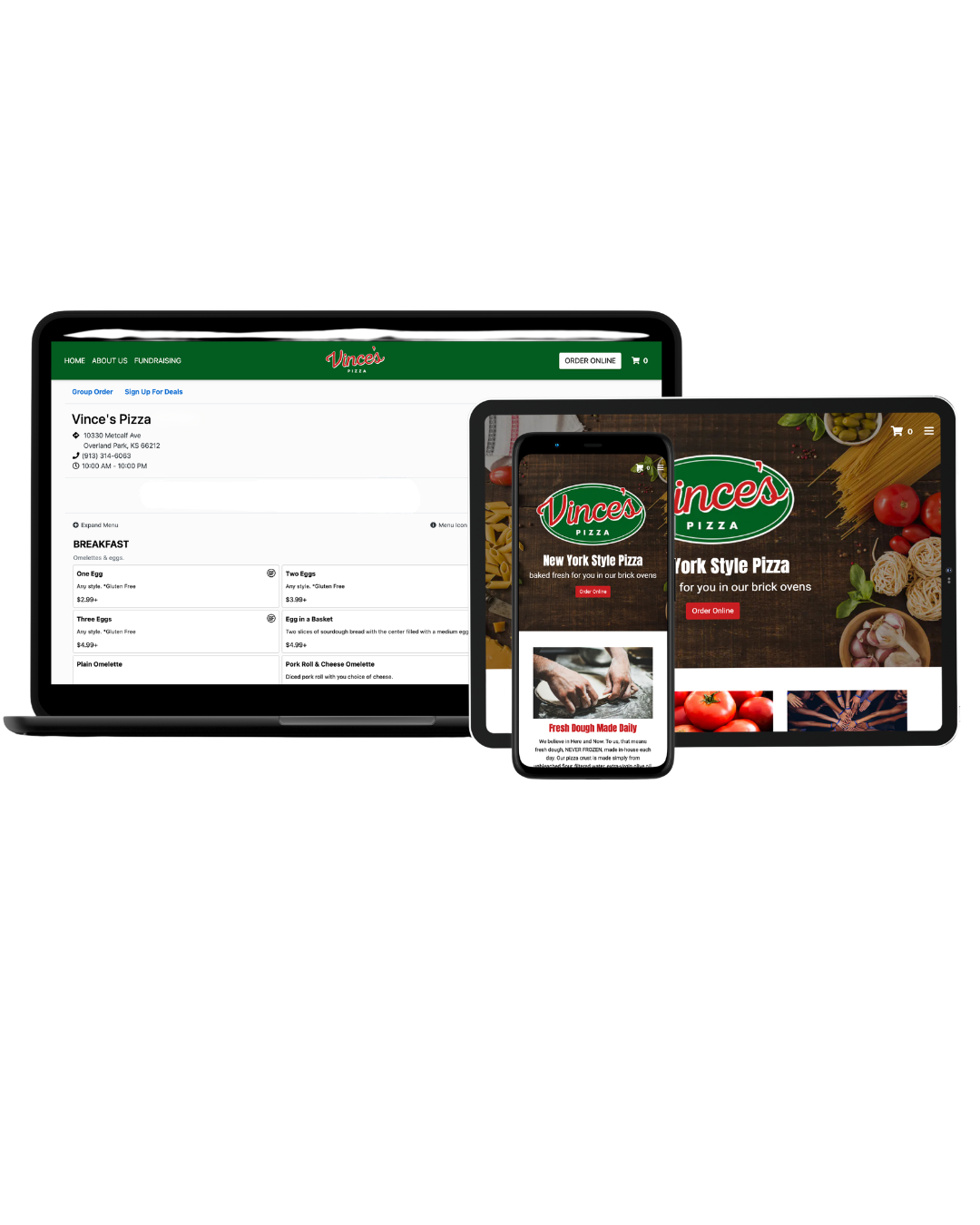
What Menufy handles: This is exactly what Menufy is built for. Your website, kept current. Your Google listing, monitored and protected. Your reviews, managed automatically. Your SEO, maintained by a team that does this for restaurants every day — so you don't have to become a marketer to compete like one.
What Menufy takes off your plate
To put it plainly:
Your website — built, hosted, and optimized for local search from day one
Your Google Business Profile — monitored, protected, and kept accurate
Your reviews — automatically solicited after every order, negative feedback intercepted, positive guests guided to Google
Your SEO — actively managed, not handed to you as homework
You know what needs to be done. Menufy is who does it while you're running the restaurant.
Frequently Asked Questions
How long does it take for local SEO to show results for my restaurant?
Most restaurants start seeing movement in local rankings within 60 to 90 days of consistent optimization — particularly for less competitive, dish-level and neighborhood-level searches. Broader terms take longer. The compounding nature of SEO means the earlier you start, the faster you build an advantage that's hard for competitors to close.
Does it hurt my ranking if my menu only lives on DoorDash or Uber Eats?
It doesn't hurt your ranking directly, but it does limit it. Google reads your website to understand what you serve. If your full menu isn't on your own site in text format, you're invisible for dish-level searches that could be driving direct orders. Getting your menu onto your own site is one of the highest-ROI moves an independent restaurant can make.
How many Google reviews do I need to show up in the top results?
There's no magic number. Volume, recency, and rating all factor in. In most mid-size markets, restaurants with 50 to 100 reviews and a 4.3 or higher rating are competitive. What matters as much as the count is whether new reviews are coming in consistently — a stagnant profile signals a stagnant business to Google.
What happens if someone edits or claims my Google Business Profile?
If your profile is claimed by another party, your listing information can be changed without your knowledge — including the ordering link, your hours, and your contact information. Checking your GBP ownership periodically is important. If you're on Menufy, your Success Team monitors this for you.
Do I need a separate website, or is my Menufy ordering page enough?
Your Menufy ordering page is where guests place their direct orders. But a full website — with your menu, your story, your location, and your content — is what Google reads to rank you in local search. Both work together. The website earns the traffic; the ordering page converts it.
Is responding to Google reviews really worth the time?
Yes. Responding to reviews is a ranking signal, not just a courtesy. An active, engaged profile ranks higher than one that goes silent. It also converts better — guests are meaningfully more likely to choose a restaurant that engages with its reviews than one that ignores them. Menufy's Feedback tool drafts responses for you automatically, so you get the benefit without the time cost.
ABOUT THE AUTHOR

JODI LEHRMANN, VP GROWTH MARKETING
Jodi brings deep B2B SaaS and digital marketing expertise to Menufy, having served as Director of Product Marketing at Vendasta and VP of Marketing Operations, Product Development, and Acquisitions at Web.com. She's spent the last year and a half helping drive growth for Menufy clients, and when she's not doing that, she's probably with her two dogs.